Chapter: Photosynthesis
Nearly all life on Earth depends directly or indirectly on photosynthetic organisms, with the exception of deep-sea hydrothermal vent ecosystems. Through photosynthesis, these organisms capture light energy from the sun and convert it into chemical energy stored in carbohydrates such as glucose. These energy-rich organic molecules then become the primary source of energy for almost all other organisms on Earth. Because of this, photosynthesis forms the foundation of nearly every food chain and ecosystem and is one of the most important biological processes sustaining life on the planet. Organisms that produce their own organic molecules from inorganic sources are called autotrophs, also known as producers. Most autotrophs use photosynthesis to capture solar energy, including plants, algae, and cyanobacteria. Some autotrophs, particularly certain bacteria living in extreme environments such as hydrothermal vents, use chemosynthesis instead. In chemosynthesis, chemical energy from inorganic compounds is used to produce organic molecules without sunlight.
In contrast, heterotrophs, also called consumers, cannot produce their own food and must obtain energy by consuming other organisms or organic matter. All animals, fungi, and many microorganisms are heterotrophs. Humans, for example, depend entirely on organic molecules produced by autotrophs, either by eating plants directly or by eating animals that consumed plants. This relationship illustrates the flow of energy through ecosystems. Energy enters most ecosystems through photosynthetic organisms and then moves through food webs from producers to consumers. Even top predators ultimately depend on autotrophs because the energy they use can be traced back to organisms that captured sunlight through photosynthesis. This interconnected dependence highlights the central role of autotrophs in maintaining life and energy flow across Earth’s biosphere.
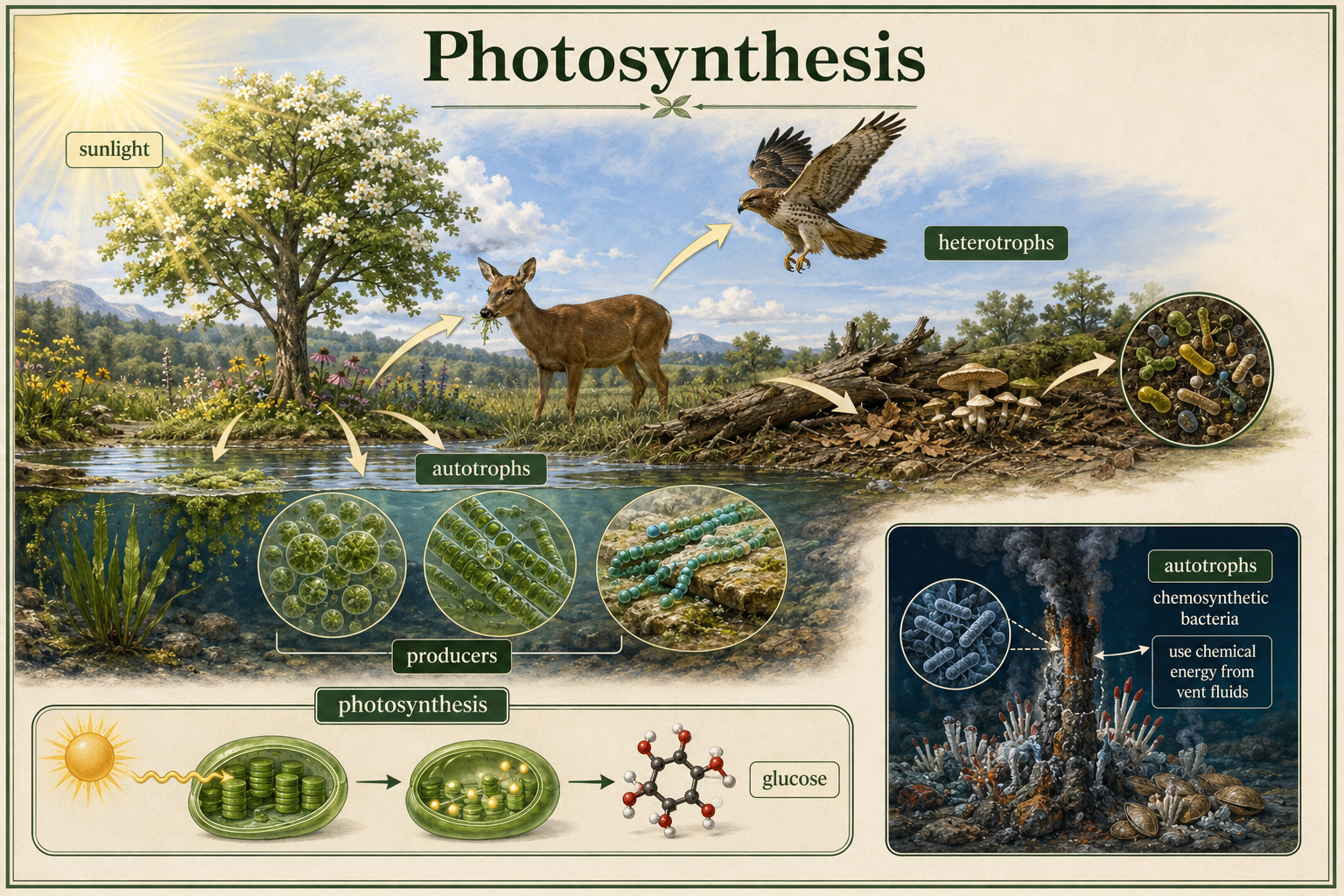
Figure 1. Photosynthesis. Photosynthesis converts light energy into chemical energy stored in carbohydrates such as glucose. Photosynthetic autotrophs form the base of most food webs by supplying energy-rich organic molecules to heterotrophs.
The Chloroplast
The chloroplast is the specialized organelle in plant and algal cells where photosynthesis takes place. Its internal structure is highly organized to maximize the capture of light energy and its conversion into chemical energy. Chloroplasts are enclosed by a double membrane that helps regulate the movement of substances into and out of the organelle. Inside the chloroplast are flattened, membrane-bound sacs called thylakoids. These structures contain the pigments and protein complexes needed for the light-dependent reactions of photosynthesis. Thylakoids are often arranged in stacks known as grana (singular: granum). Stacking increases the membrane surface area available for light absorption and electron transport, making photosynthesis more efficient.
Surrounding the grana is a fluid-filled region called the stroma. The stroma contains enzymes, chloroplast DNA, ribosomes, and other molecules involved in the light-independent reactions, including the synthesis of carbohydrates from carbon dioxide. Embedded within the thylakoid membranes is chlorophyll, the primary photosynthetic pigment in plants. Chlorophyll absorbs light energy most strongly in the blue-violet and red portions of the visible spectrum and uses this energy to initiate the conversion of light energy into chemical energy. Additional pigments, known as accessory pigments, include chlorophyll b and carotenoids. These pigments broaden the range of wavelengths that can be absorbed and also help protect the photosynthetic machinery by safely dissipating excess light energy that could otherwise damage chlorophyll and other cellular components.
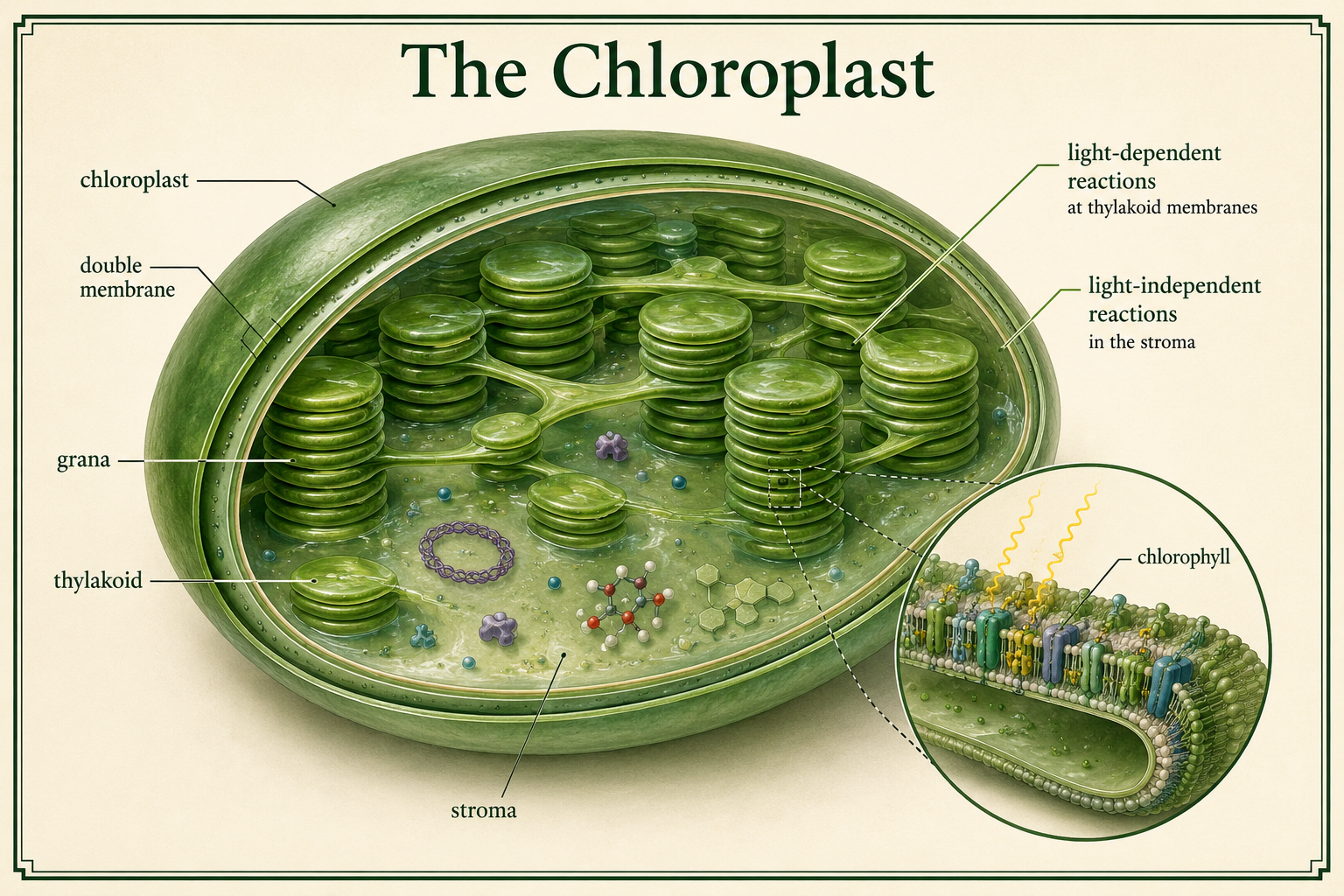
Figure 2. The Chloroplast. The chloroplast is the organelle where photosynthesis occurs in plants and algae. Thylakoid membranes contain chlorophyll and other pigments that capture light energy during the light-dependent reactions, while the stroma contains the enzymes and materials needed for the light-independent reactions. The highly organized structure of the chloroplast maximizes the efficiency of energy capture and conversion during photosynthesis.
Photosynthesis and the Electromagnetic Spectrum
Light is a form of electromagnetic radiation, meaning it is energy that travels in waves and spans a continuous spectrum of wavelengths. This electromagnetic spectrum includes very long wavelengths such as radio waves and very short wavelengths such as gamma rays. Within this broad range, only a small portion—approximately 400 to 700 nanometers (nm)—is visible to the human eye. This region is called visible light and is also referred to as photosynthetically active radiation (PAR) because it is the range of light used by plants and other photosynthetic organisms.
Plants appear green because of how their pigments interact with visible light. Pigments are molecules that absorb specific wavelengths of light and reflect others. Chlorophyll, the primary pigment in plants, absorbs most wavelengths in the blue and red regions of visible light but reflects green wavelengths. The reflected green light is what we perceive when we look at leaves.
Photosynthesis relies on multiple pigments to capture light energy more efficiently across a broader range of wavelengths. Chlorophyll a is the central pigment directly involved in converting light energy into chemical energy. It absorbs mainly blue-violet and red light and has a characteristic blue-green color. Chlorophyll b functions as an accessory pigment that extends the range of usable light by absorbing blue and red-orange wavelengths and transferring that energy to chlorophyll a. It appears yellow-green because it reflects those wavelengths. Carotenoids are another important group of accessory pigments. They absorb primarily blue and blue-green light and help protect the plant by dissipating excess light energy that could otherwise damage chlorophyll and cellular structures. Carotenoids appear yellow, orange, or reddish in color, but their presence is often masked by the dominant green of chlorophyll during the growing season. In autumn, many deciduous plants reduce and eventually break down chlorophyll as part of the process of preparing for colder months and reduced sunlight. As chlorophyll degrades, the green coloration fades, allowing the already present carotenoid pigments to become visible. This unmasking of carotenoids is what produces the yellow, orange, and warm hues commonly associated with fall foliage.
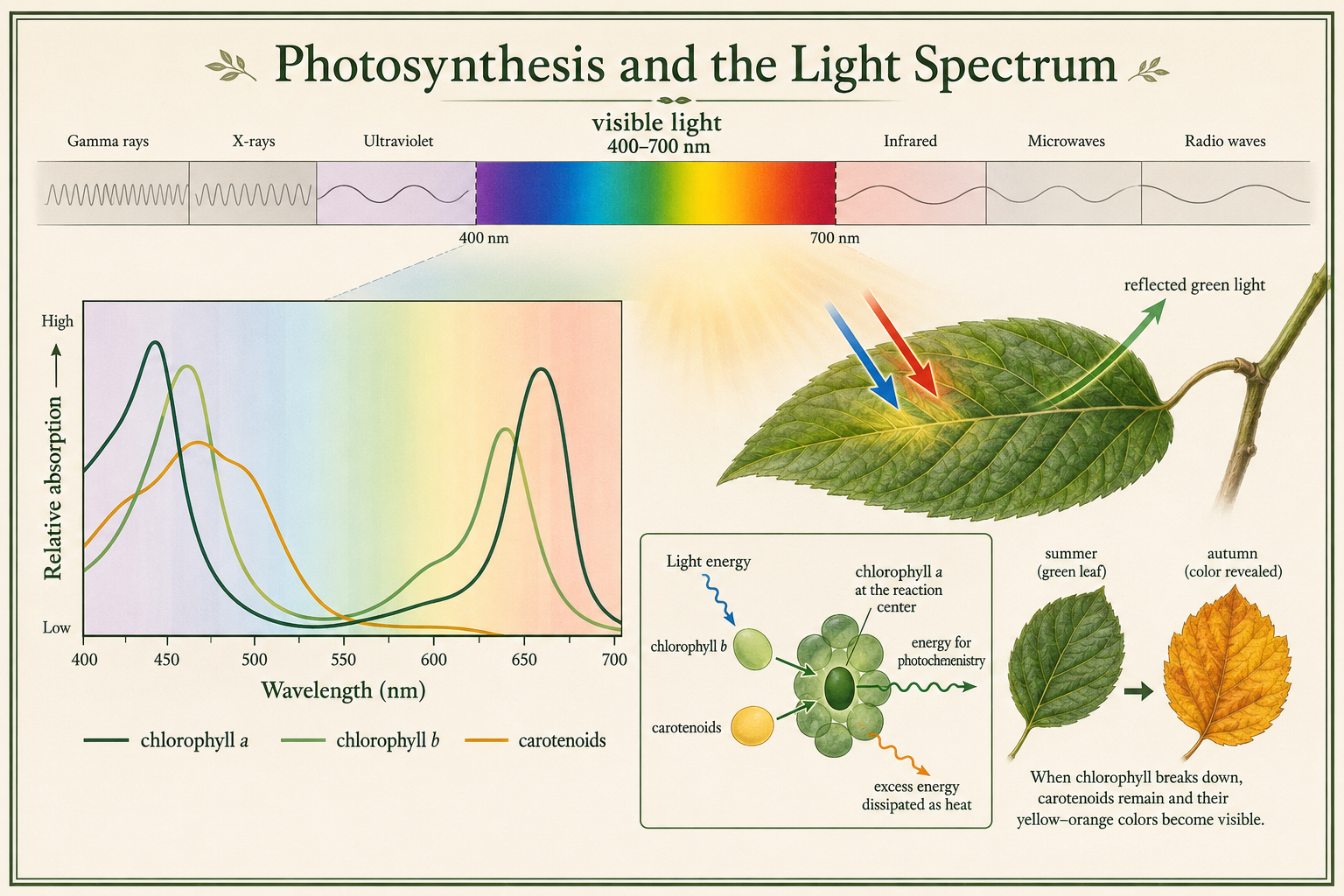
Figure 3. Photosynthesis and the Light Spectrum. Plants use visible light for photosynthesis through pigments embedded in the thylakoid membranes of chloroplasts. Chlorophyll absorbs mostly blue and red wavelengths while reflecting green light, causing plants to appear green. Accessory pigments such as carotenoids broaden light absorption and help protect the photosynthetic system from excess light damage.
Anatomy of Photosynthesis
Photosynthesis is a complex biochemical process that converts light energy from the sun into chemical energy stored in glucose molecules. This process occurs primarily in the chloroplasts of plant cells. Light energy is absorbed by chlorophyll pigments embedded in the thylakoid membranes of the chloroplast. When chlorophyll absorbs light, its electrons become energized, initiating a series of reactions that ultimately split water molecules into hydrogen ions, electrons, and oxygen gas. The oxygen produced is released as a byproduct. The carbon dioxide needed for photosynthesis enters the leaf through small openings called stomata, which are more commonly located on the underside of the leaf. These pores are regulated by specialized guard cells that open and close to control gas exchange and water loss. Covering the outer surface of the leaf is the cuticle, a waxy protective layer that helps reduce dehydration. Beneath the cuticle lies the epidermis, a thin layer of protective cells that allows light to pass through to the photosynthetic tissues inside the leaf.
Most photosynthesis occurs in the mesophyll, the internal tissue of the leaf. The mesophyll is divided into two specialized layers. The palisade mesophyll consists of tightly packed, elongated cells that contain large numbers of chloroplasts and are optimized for light absorption. Beneath this layer is the spongy mesophyll, which contains more loosely arranged cells and large air spaces that allow carbon dioxide to diffuse efficiently throughout the leaf. Water required for photosynthesis is absorbed by the roots and transported upward through xylem vessels located within the leaf’s vascular bundles. These vascular bundles also contain phloem tissue, which transports the glucose and other sugars produced during photosynthesis from the leaves to the rest of the plant. These sugars are used for cellular respiration, growth, storage, and the construction of new tissues.
The glucose produced during photosynthesis serves as the plant’s primary source of chemical energy and organic carbon. At the same time, oxygen released through the stomata replenishes atmospheric oxygen and supports aerobic respiration in organisms across Earth’s ecosystems. The coordinated structure of the leaf—including the cuticle, epidermis, mesophyll layers, stomata, and vascular tissues—allows plants to efficiently balance light capture, gas exchange, water conservation, and energy transport.
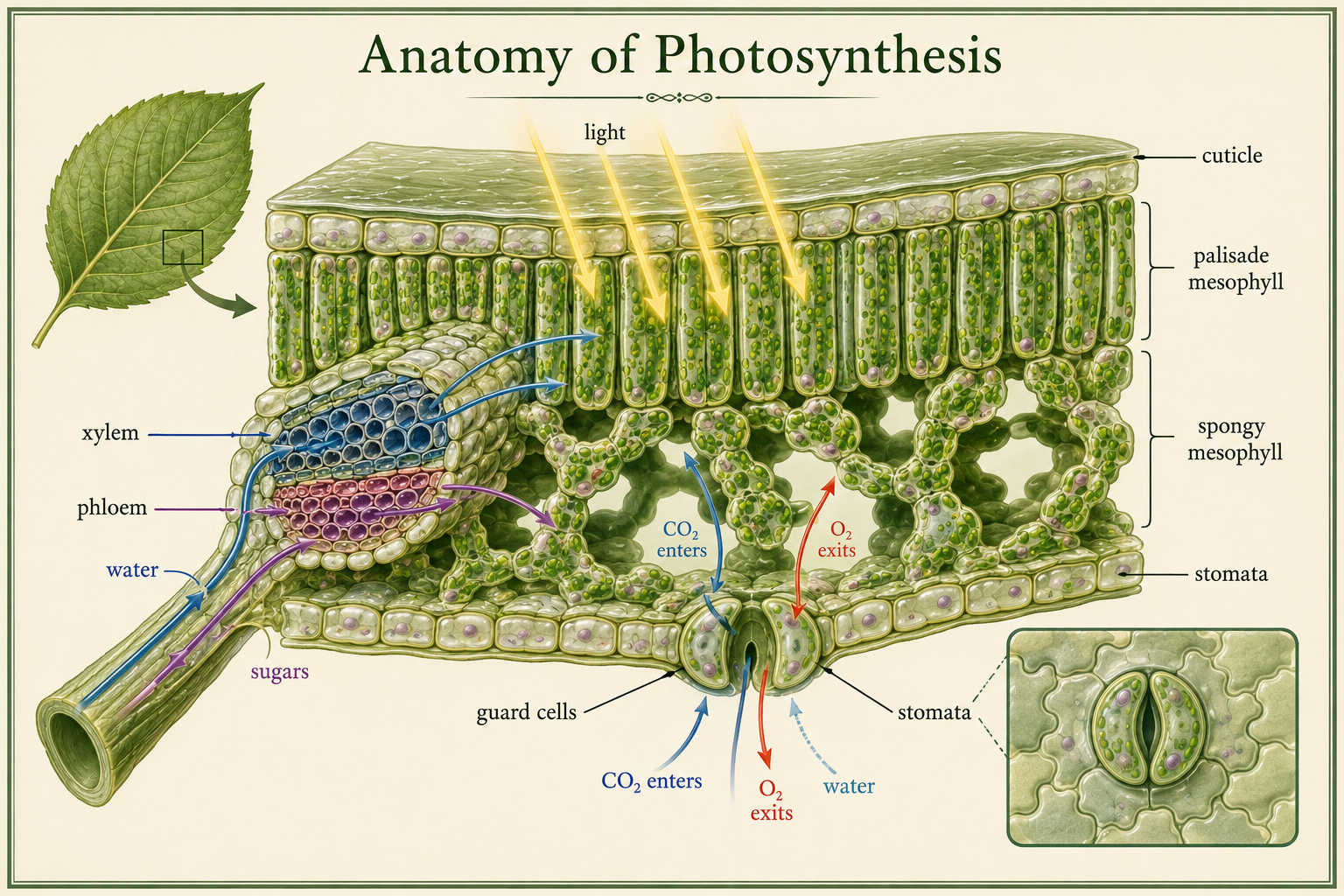
Figure 4. Anatomy of a Leaf. Leaf structure is highly specialized to maximize photosynthesis while balancing water conservation and gas exchange. Light is absorbed primarily in the palisade mesophyll, carbon dioxide enters through stomata, and water is delivered through xylem vessels. The glucose produced during photosynthesis is transported through phloem to the rest of the plant, while oxygen is released into the atmosphere.
Photosynthesis and Cellular Respiration
Photosynthesis and cellular respiration are complementary biological processes that together drive the flow of energy and cycling of matter through ecosystems. Photosynthesis captures energy from sunlight and stores it in the chemical bonds of glucose, while cellular respiration breaks down glucose to release that stored energy in a usable form for cells. During photosynthesis, plants, algae, and some bacteria use light energy to convert carbon dioxide (CO₂) and water (H₂O) into glucose (C₆H₁₂O₆) and oxygen (O₂). This process stores solar energy as chemical potential energy within the bonds of glucose molecules.
Photosynthesis: 6 CO₂ + 6 H₂O + Light energy → C₆H₁₂O₆ + 6 O₂
Cellular respiration is essentially the reverse process. Cells use oxygen to break down glucose, releasing the stored chemical energy through a series of metabolic reactions that ultimately generate ATP, the primary energy currency of the cell. Carbon dioxide and water are produced as waste products.
Cellular Respiration: C₆H₁₂O₆ + 6 O₂ → 6 CO₂ + 6 H₂O + ATP
Together, these processes form a biological cycle. Photosynthesis removes carbon dioxide from the atmosphere and produces oxygen and glucose, while cellular respiration consumes oxygen and glucose and returns carbon dioxide and water to the environment. The products of one process become the reactants of the other. This relationship highlights the interdependence of life on Earth. Without photosynthesis, organisms would eventually run out of the glucose and oxygen required for respiration. Without cellular respiration, the energy stored in glucose could not be efficiently released to power cellular activities. In this way, photosynthesis captures and stores energy, while cellular respiration releases and utilizes it to sustain life.
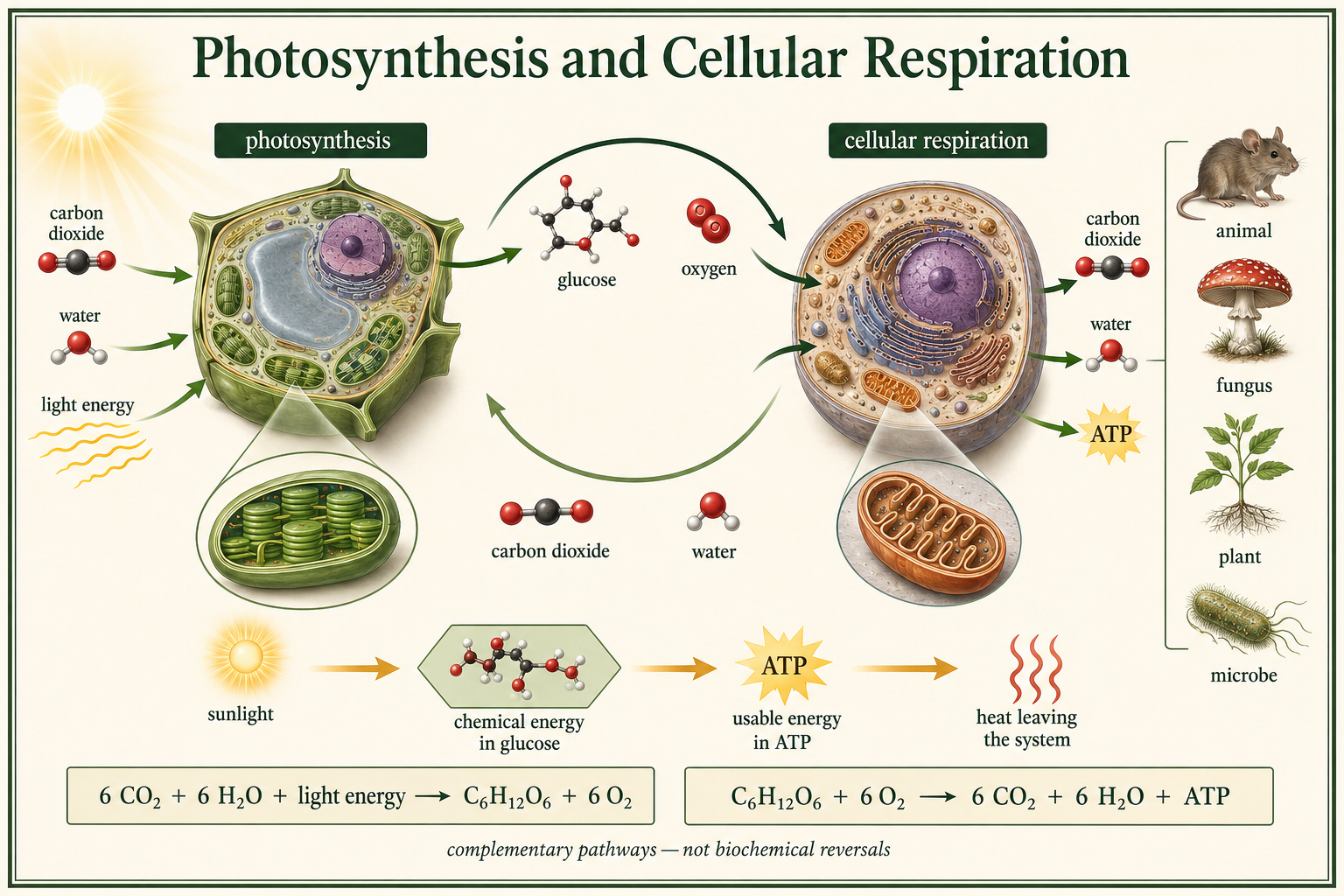
Figure 5. Photosynthesis and Cellular Respiration. Photosynthesis and cellular respiration are complementary processes that regulate energy flow in living systems. Photosynthesis captures solar energy and stores it in glucose, while cellular respiration breaks down glucose to release energy in the form of ATP. Together, these processes cycle carbon dioxide, water, oxygen, and glucose through ecosystems and sustain most life on Earth.
Stages of Photosynthesis
Photosynthesis occurs in two closely linked stages: the Light Reactions and the Calvin cycle. Each stage takes place in a specific region of the chloroplast and plays a distinct role in converting light energy into stored chemical energy.
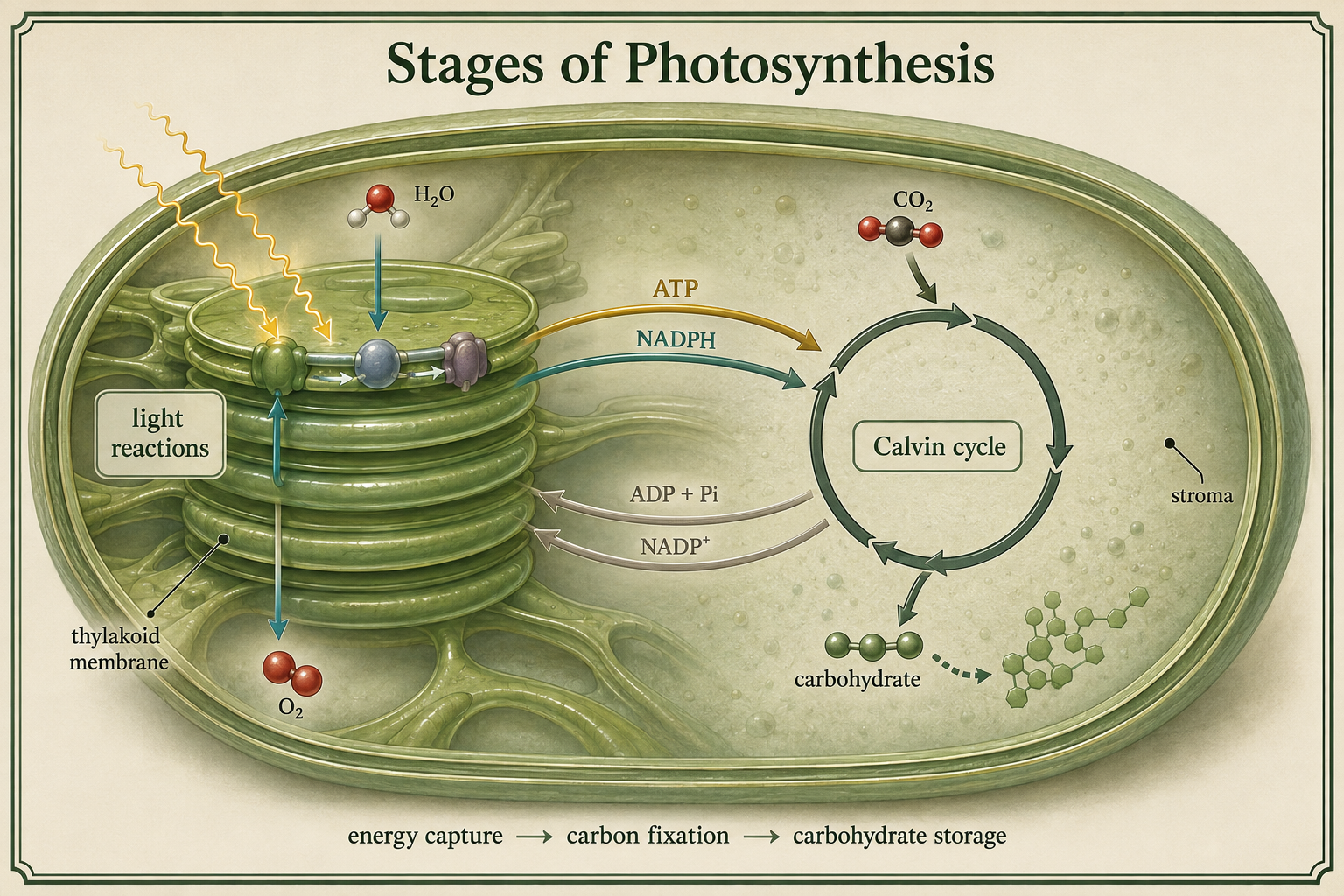
Figure 6. Stages of Photosynthesis. Photosynthesis occurs in two linked stages. Light reactions in the thylakoid membranes produce ATP and NADPH, and the Calvin cycle in the stroma uses them to fix carbon dioxide into carbohydrates.
Light Reactions
The light reactions take place on the thylakoid membranes of the chloroplast and require direct input of light energy. When photons strike chlorophyll molecules, electrons become energized and are transferred through a series of protein complexes known as an electron transport chain. As these electrons move through the chain, water molecules are split in a process called photolysis. This produces oxygen gas (O₂), hydrogen ions (H⁺), and electrons. The oxygen is released as a byproduct, while the electrons and hydrogen ions are used in energy conversion. The movement of electrons through the transport chain releases energy that is used to pump hydrogen ions across the thylakoid membrane, creating a proton gradient. This gradient drives ATP synthase, an enzyme that produces ATP from ADP and inorganic phosphate (P) through a process called photophosphorylation. At the same time, hydrogen ions and electrons are transferred to NADP⁺, forming NADPH. NADPH serves as another high-energy carrier molecule, storing electrons for later use. The final products of the light-dependent reactions are ATP and NADPH, which function as energy-rich molecules that power the next stage of photosynthesis. Oxygen is released into the atmosphere as a byproduct.
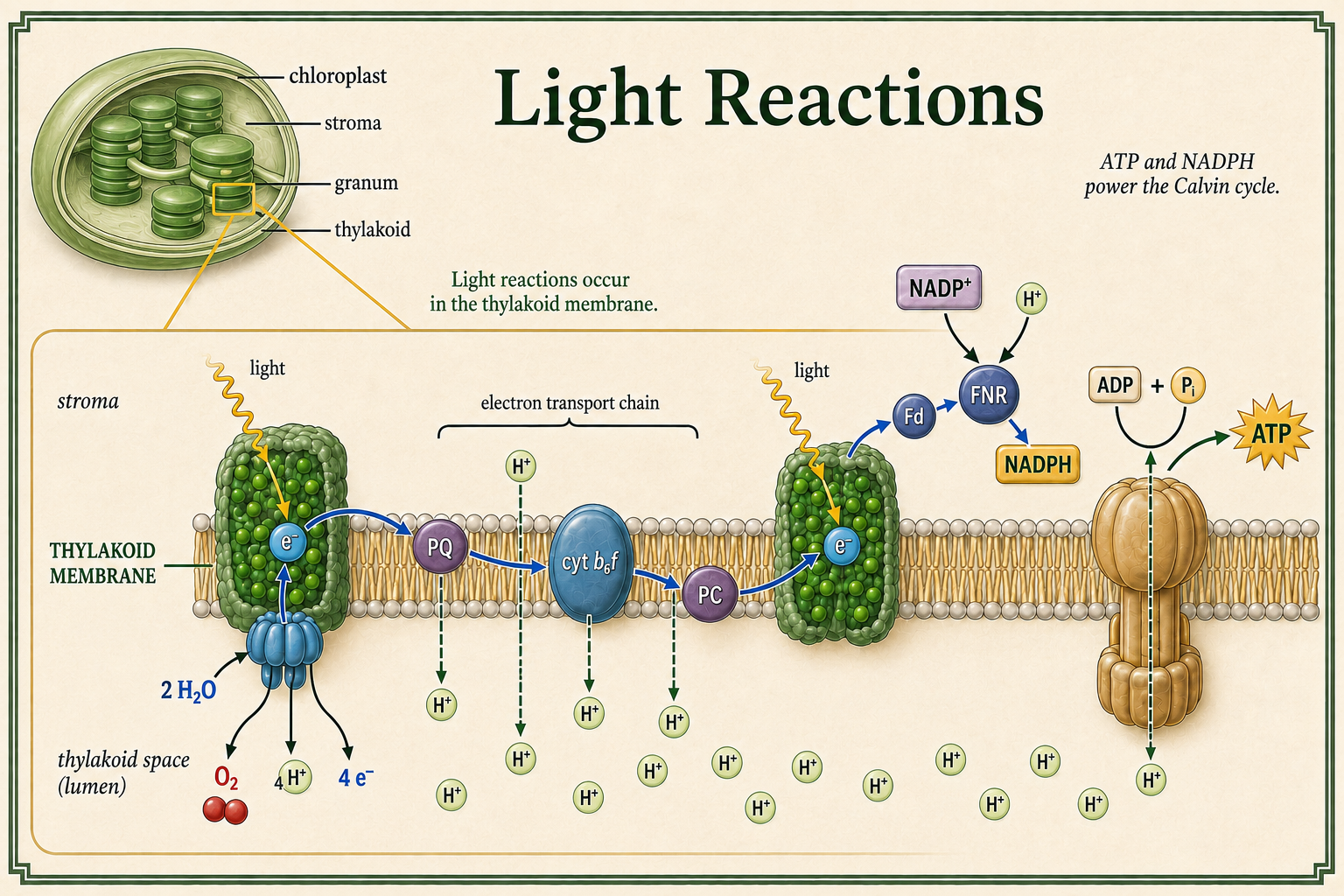
Figure 7. Light Reactions. The light reactions capture light energy in thylakoid membranes. Water is split, oxygen is released, electrons move through transport chains, and ATP and NADPH are produced for the Calvin cycle.
The Calvin Cycle
The light-independent reactions, known as the Calvin Cycle, occur in the stroma of the chloroplast. These reactions do not require light directly. Instead, they depend on the ATP and NADPH produced by the light-dependent reactions. NADPH provides hydrogens, while ATP provides the energy required to drive these reactions forward. Carbon dioxide is captured and incorporated into organic molecules through a series of enzyme-driven reactions. The process begins when CO₂ is attached to a five-carbon molecule, forming unstable intermediates that are eventually converted into three-carbon compounds. Through repeated cycles and energy input from ATP and NADPH, these intermediates are used to build glucose (C₆H₁₂O₆).
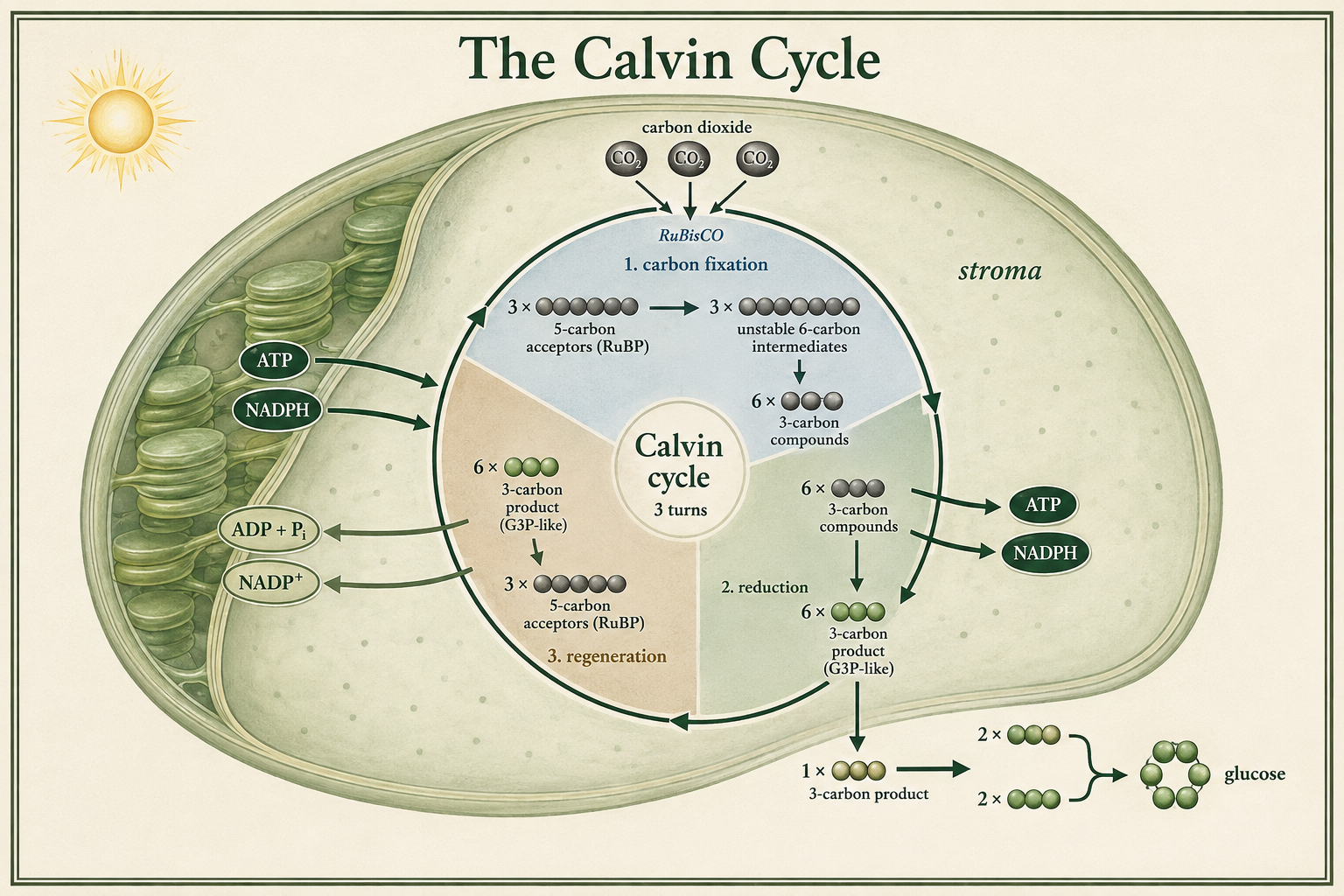
Figure 8. The Calvin Cycle. The Calvin cycle occurs in the stroma and uses ATP and NADPH from the light reactions to fix carbon dioxide into organic molecules that can be used to build glucose.
Variants of Photosynthesis
Photosynthesis occurs in multiple forms that reflect adaptations to different environmental conditions. The three main pathways—C3, C4, and CAM photosynthesis—differ in how plants capture and process carbon dioxide, particularly under stress conditions such as heat, drought, and high light intensity. In C3 photosynthesis, carbon fixation and the Calvin Cycle occurs entirely within a single mesophyll cell in the leaf, specifically inside the chloroplasts. C3 plants fix carbon dioxide directly through the Calvin cycle and are most efficient in moist environments, but they are vulnerable to photorespiration under hot or dry conditions. C4 plants reduce photorespiration by spatially separating carbon fixation and the Calvin cycle between mesophyll and bundle sheath cells, making them highly efficient in relatively hot climates. CAM plants conserve water by temporally separating these processes, opening stomata at night to absorb CO₂ and closing them during the day, an adaptation well suited for extremely arid environments.
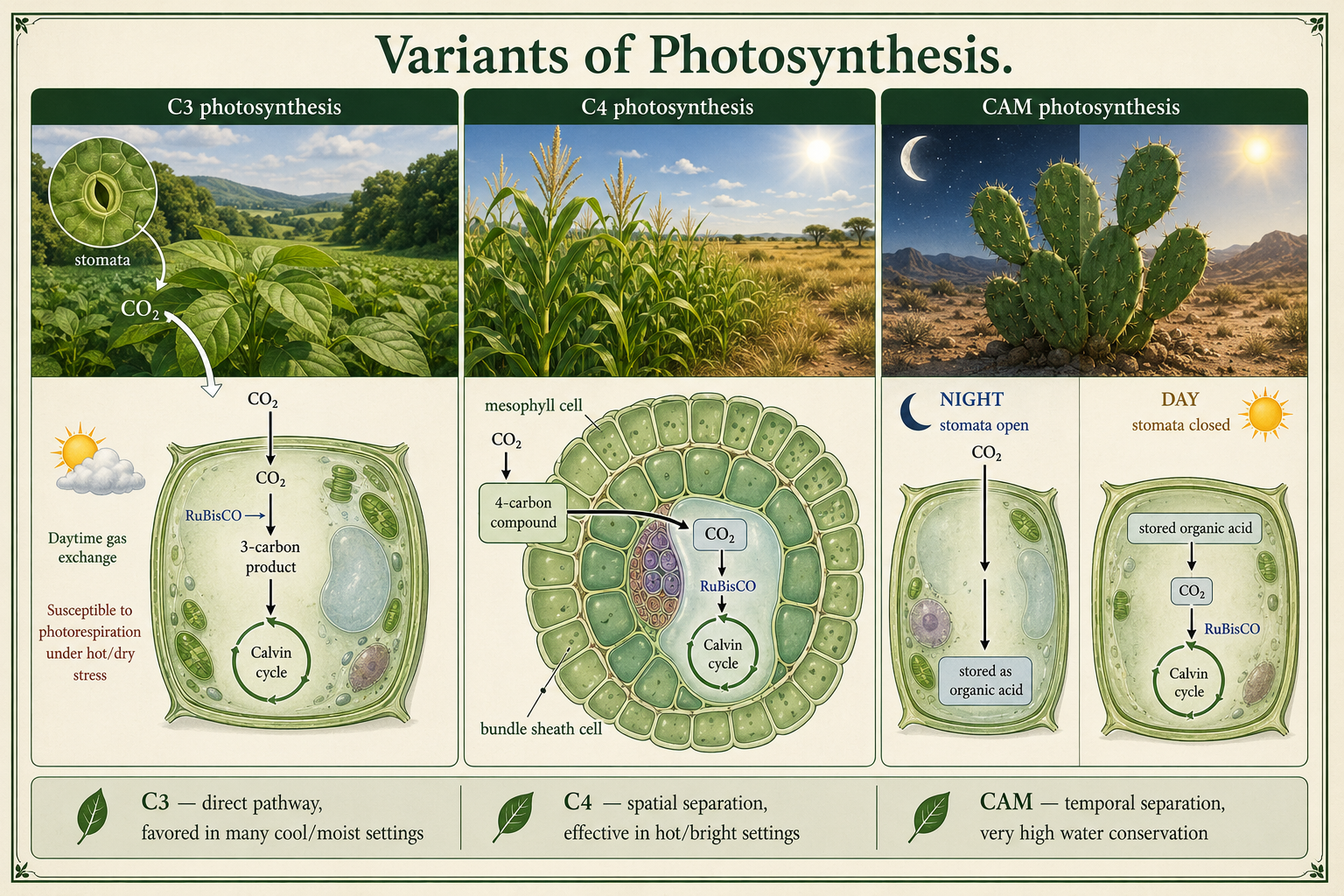
Figure 9. Variants of Photosynthesis. C3, C4, and CAM photosynthesis represent different strategies for carbon fixation. C3 plants use a direct pathway, C4 plants separate steps across cell types, and CAM plants separate steps across day and night.
C3 Photosynthesis
C3 photosynthesis is the most common and evolutionarily ancient pathway. In C3 plants, the enzyme RuBisCO fixes carbon dioxide directly in the Calvin cycle, producing a three-carbon. Gas exchange occurs through stomata, small pores in the leaf surface that open to allow CO₂ in and oxygen out. However, when temperatures are high or water is limited, stomata often close to reduce water loss, which restricts CO₂ availability inside the leaf. Under these conditions, RuBisCO may bind oxygen instead of carbon dioxide, triggering photorespiration.
Photorespiration is a process that occurs in many C3 plants when the enzyme RuBisCO binds to oxygen instead of carbon dioxide during the first step of the Calvin cycle. This typically happens under conditions of high temperature, low carbon dioxide concentration, when stomata are closed to conserve water. When oxygen is used instead of CO₂, the resulting reactions do not produce sugars and consuming energy. Photorespiration therefore reduces the overall efficiency of photosynthesis because it diverts resources away from sugar production and effectively reverses some of the carbon fixation that has already occurred. It is considered a wasteful pathway, but it persists because RuBisCO evolved when atmospheric oxygen levels were much lower, making oxygen binding a difficult problem for plants in modern environments. Because photorespiration significantly reduces the efficiency of C3 photosynthesis under hot and dry conditions, many plants have evolved alternative strategies to minimize these losses, most notably the C4 pathway (below), which concentrates carbon dioxide around RuBisCO and improves photosynthetic performance.
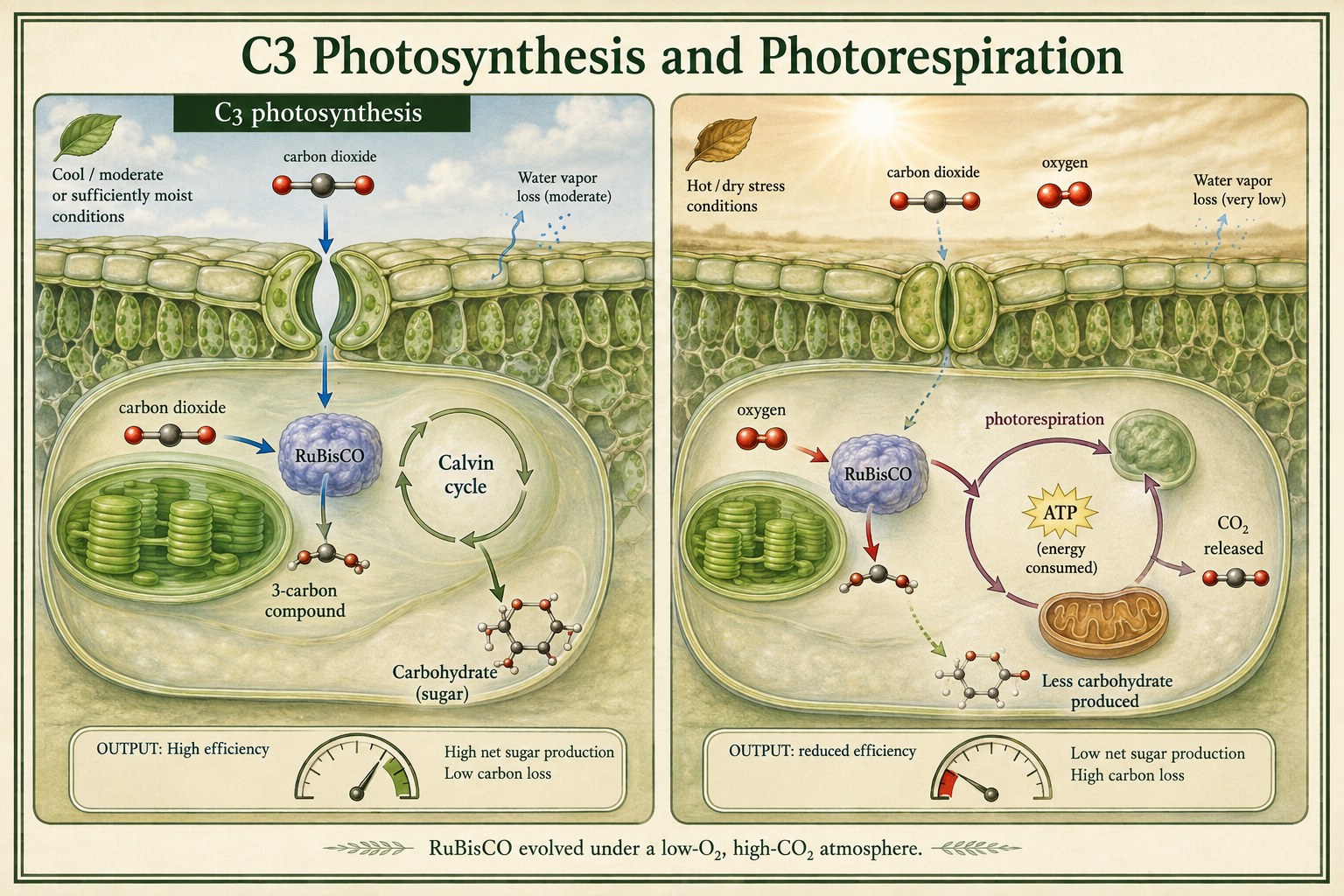
Figure 10. C3 Photosynthesis and Photorespiration. In C3 plants, RuBisCO normally fixes carbon dioxide in the Calvin cycle. Under hot or dry conditions, closed stomata can lower carbon dioxide and cause RuBisCO to bind oxygen, triggering photorespiration and reducing photosynthetic efficiency.
C4 Photosynthesis
C4 photosynthesis is an adaptation that reduces the impact of photorespiration through a spatial separation from the initial carbon fixation from the Calvin cycle in space. Carbon dioxide is first captured in mesophyll cells and attached to a three-carbon molecule, forming a four-carbon compound (hence “C4”). This compound is then transported to bundle sheath cells, which are located around the plant’s vascular tissue. There, carbon dioxide is released at high concentration and enters the Calvin cycle for sugar production. This internal concentration mechanism makes C4 plants highly efficient in hot, bright environments where C3 plants lose efficiency. However, the pathway requires additional ATP, meaning it uses more energy per molecule of CO₂ fixed. C4 plants are common in semi-arid environments, like grasslands.
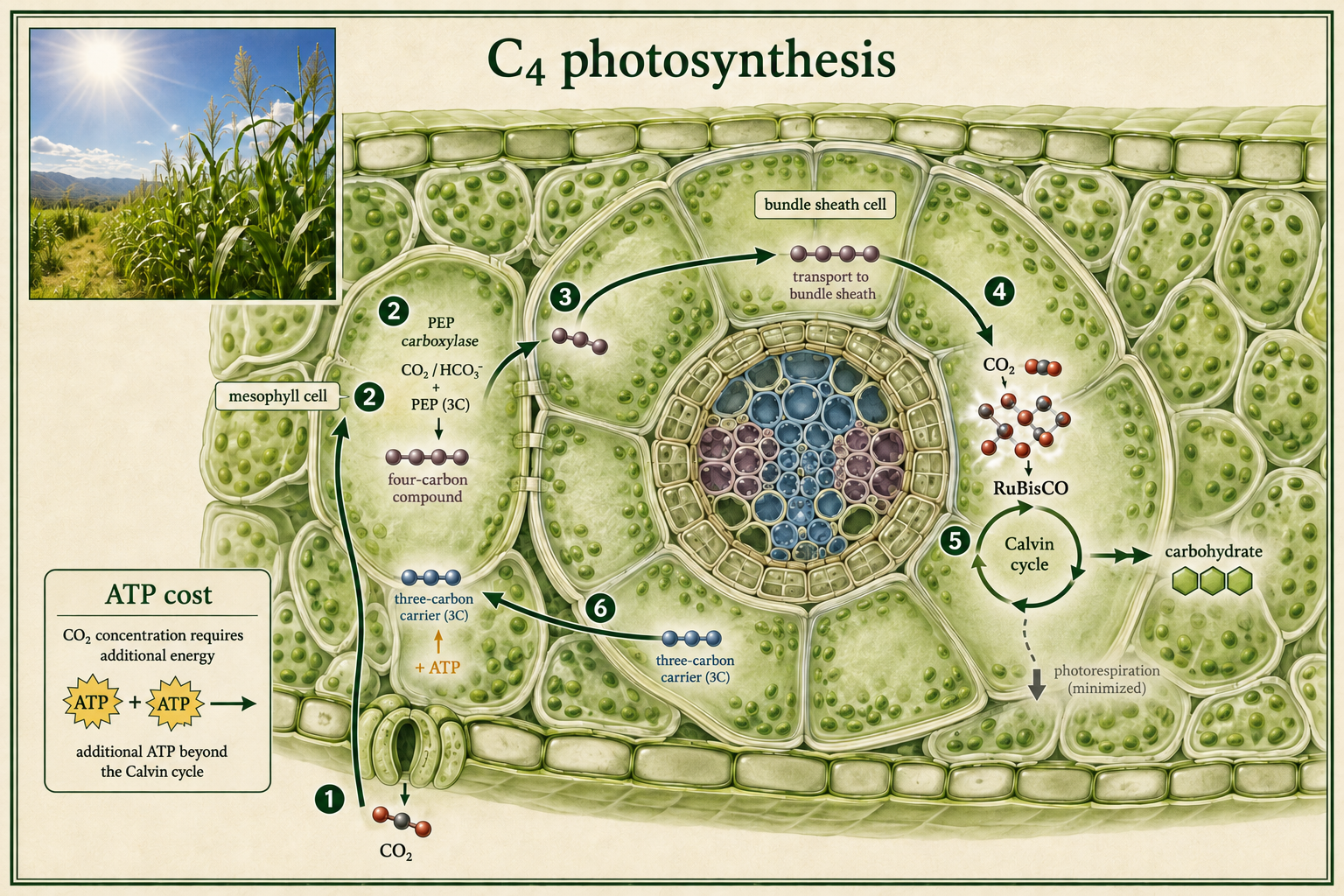
Figure 11. C4 Photosynthesis. C4 plants reduce photorespiration by separating carbon fixation and the Calvin cycle across different cell types. This pathway concentrates carbon dioxide around RuBisCO but requires additional ATP.
CAM Photosynthesis
CAM photosynthesis is an adaptation to extreme arid conditions and relies on temporal separation of carbon fixation and sugar production. CAM plants, such as many cacti and succulents, their stomata open at night when temperatures are cooler and humidity is higher, reducing water loss. At night, carbon dioxide is absorbed and stored in the form of a four-carbon organic acid. Stomata close during the day to conserve water, and the stored CO₂ is released internally and used in the Calvin cycle to produce sugars. This strategy is highly water-efficient but limits the rate of photosynthesis because carbon uptake is restricted to nighttime, resulting in slower growth. CAM photosynthesis is common in very arid environments, like deserts.
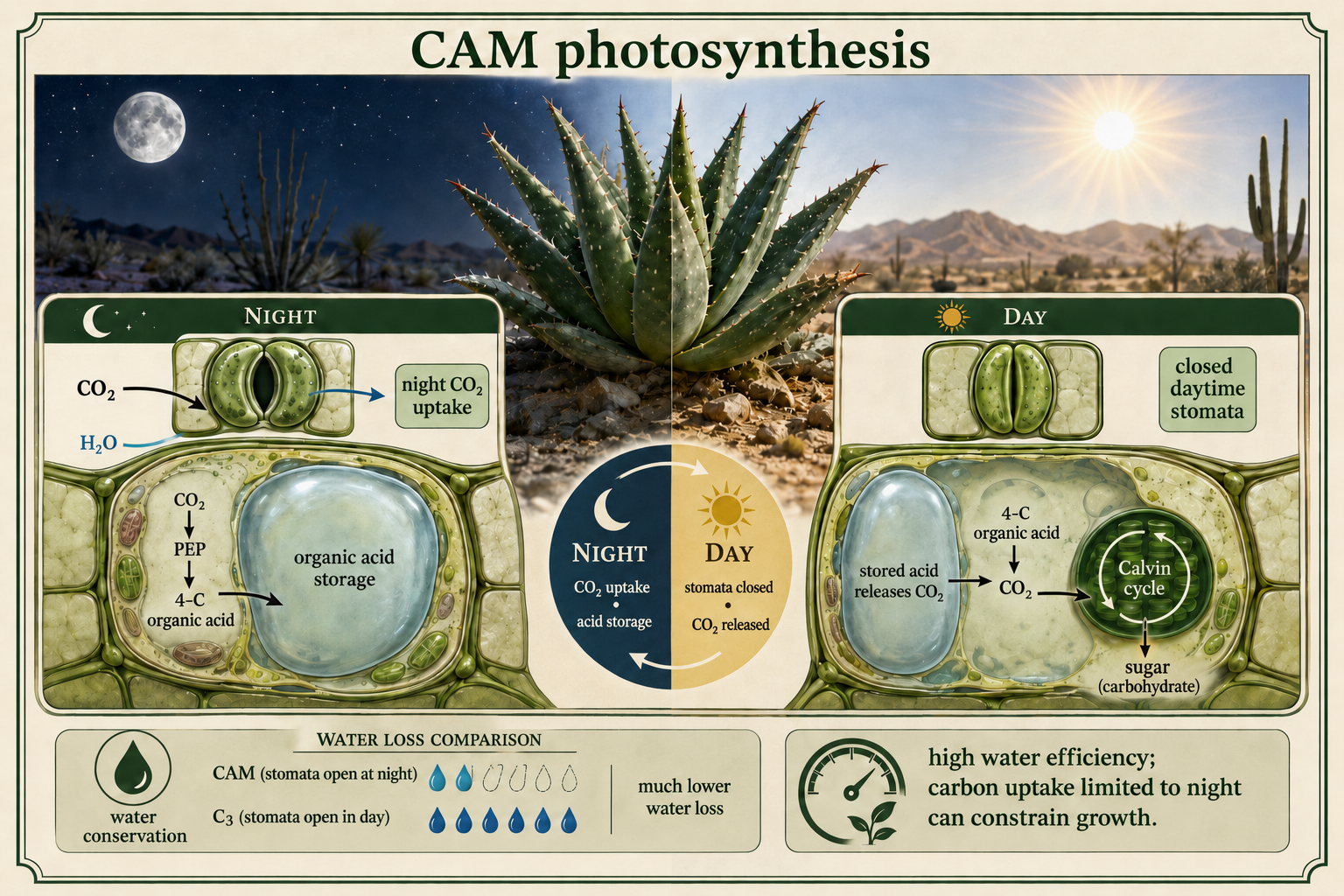
Figure 12. CAM Photosynthesis. CAM plants conserve water by opening stomata at night to take in carbon dioxide and closing stomata during the day. Stored carbon dioxide is later released for the Calvin cycle.